
Do Non-U.S. Citizens Need a Florida Estate Plan?

If you own a home, condo, business, or other assets in Florida but you are not a U.S. citizen, the short answer is yes—and you arguably need a plan even more than a citizen does. Non-citizens who own Florida property face tax rules, probate hurdles, and family-protection gaps that can cost their loved ones dearly if they go unaddressed. At Alfredo J. Rubio Law, PLLC, we help immigrant families and foreign nationals across Miami-Dade protect their Florida assets—in English and Spanish, at flat, predictable fees.
If You Own Assets in Florida, Florida Law Applies
Regardless of your citizenship or where you live, assets located in Florida are governed by Florida law when you pass away. Own a Miami condo and die without a plan, and it goes through Florida probate—a slow, public, expensive court process, made worse when heirs live abroad or don’t speak English.
Why the Stakes Are Higher for Non-Citizens
A Much Smaller Estate-Tax Exemption
U.S. citizens and permanent residents can pass roughly $13 million free of federal estate tax. A non-citizen who isn’t a U.S. domiciliary gets an exemption of only $60,000 on U.S.-based assets—and everything above that, including Florida real estate, can be taxed up to 40%. The right planning can dramatically reduce or eliminate that exposure.
The Marital-Deduction Trap
A U.S. citizen can leave unlimited assets to a surviving spouse tax-free. That unlimited marital deduction generally does not apply if your spouse isn’t a U.S. citizen—unless your plan uses a Qualified Domestic Trust (QDOT). Without one, your spouse could face a surprise tax bill.
Probate & Guardianship Complications
No guardian named for minor children? A Florida court decides who raises them—frightening for families with relatives overseas. And assets in multiple countries can trigger competing legal systems if not coordinated.
Documents Every Non-Citizen With Florida Assets Should Have
- A Florida-valid will (a foreign will may not be honored the same way)
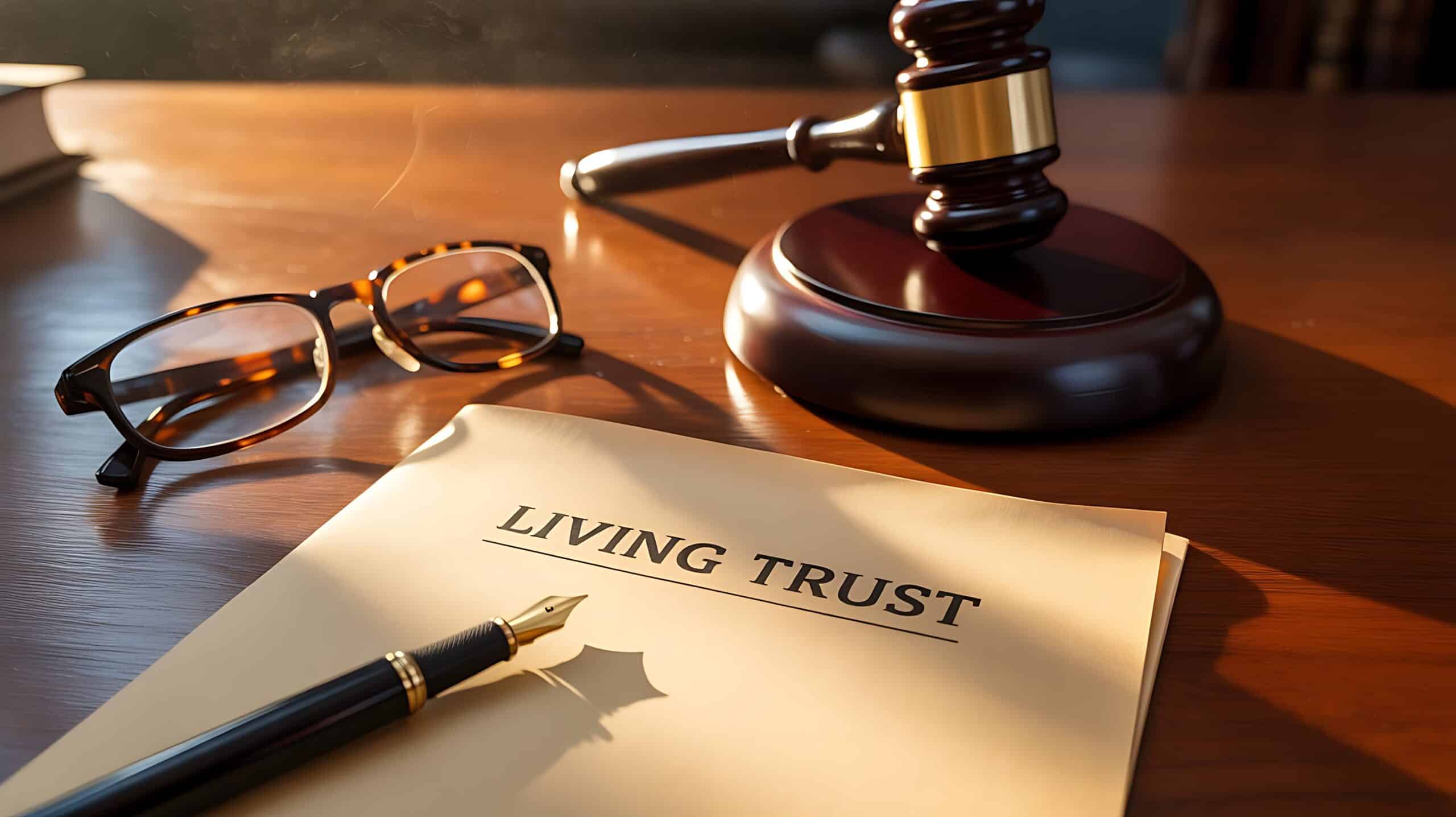
- A revocable living trust to keep Florida property out of probate
- A durable power of attorney for finances if you’re incapacitated or abroad
- A healthcare surrogate / living will
- Where appropriate, a QDOT or ownership structure to manage estate tax
Don’t Forget Florida Homestead Rules
Florida’s homestead laws strongly protect a primary residence—but also restrict who can inherit it if you’re married or have minor children. Non-citizen families often hit these rules unknowingly, which is why tailored planning matters.
How a Bilingual Miami Estate Attorney Helps
We speak your language—literally. We guide immigrant families and foreign investors through Florida-compliant wills, trusts, and tax-aware structures, at a flat fee. Learn more about our estate planning services, including our dedicated guide to estate planning for immigrants and non-citizens.
Frequently Asked Questions
Do I need to be a U.S. citizen to make a Florida will?
No—anyone who owns Florida assets should have a Florida-valid estate plan.
Will my home-country will work in Florida?
Sometimes, but unreliably. Foreign wills can face extra proof requirements or be rejected. A Florida will avoids the risk.
Can I avoid Florida probate on my condo?
Yes—often with a revocable living trust or a lady bird deed.
Do you offer consultations in Spanish?
Yes—our entire practice is bilingual.
Ready to protect your family and your Florida assets? Call 1-844-PODEMOS for a free, bilingual consultation, or contact us online.

