
What Happens If You Die Without a Will in Florida?

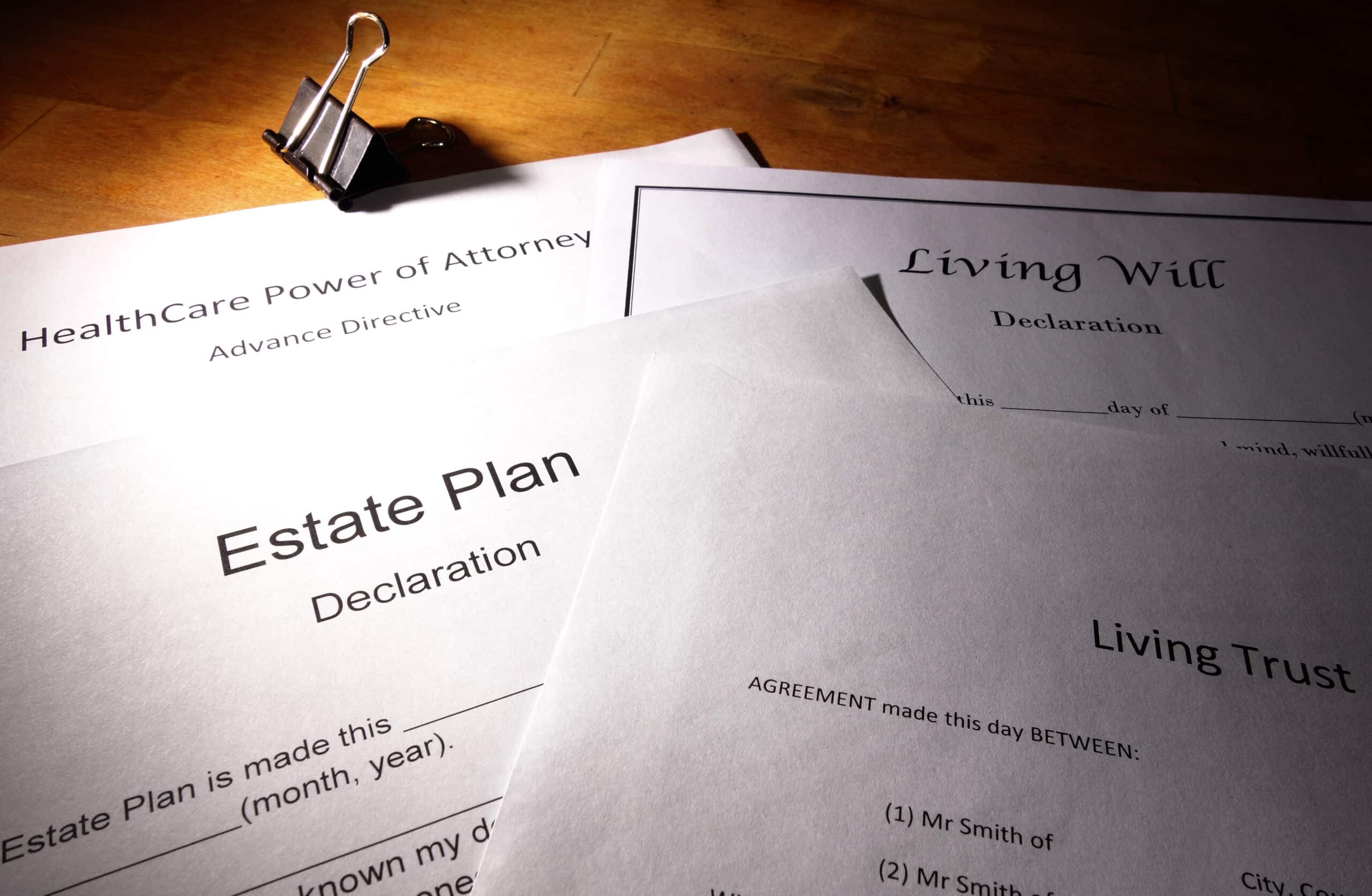
You’ve worked hard for what you have — your home, your savings, the life you’ve built for your family in South Florida. But if you pass away without a will, you don’t get to decide who receives it. The State of Florida decides for you, using a rigid formula that may not reflect your wishes at all.
Dying without a will is called dying “intestate,” and Florida’s intestacy laws (Chapter 732 of the Florida Statutes) take over completely. Here’s exactly what happens — and how to make sure your family, not a courtroom formula, is the one who benefits.
What “Dying Intestate” Means in Florida
When you die intestate, a Florida probate court distributes your assets according to a strict order of priority set by state law. A judge — not you — also decides who administers your estate and, if you have minor children, who is considered to raise them. Your personal wishes, promises, and relationships carry no legal weight unless they are written into a valid will or trust.
Who Inherits If You Die Without a Will in Florida
Florida’s intestacy statutes (§§ 732.102–732.103) distribute your estate in a set order. Here is how it generally works.
If you have a surviving spouse
- Spouse, and no descendants: your spouse inherits your entire estate.
- Spouse, and descendants who are all also your spouse’s: your spouse inherits everything — as long as your spouse has no other descendants from another relationship.
- Descendants from another relationship (yours or your spouse’s): your spouse receives one-half of the estate, and your descendants share the other half.
If you have no surviving spouse
Your estate passes down a fixed chain of relatives:
- Your children and their descendants;
- if none, your parents;
- if none, your brothers and sisters and their descendants;
- if none, more distant relatives such as grandparents, aunts, uncles, and cousins.
Only if no living relatives can be found does your property ultimately “escheat” to the State of Florida — a rare outcome, but a real one.
The People Florida’s Formula Leaves Out
This is where intestacy surprises families most. Florida’s formula recognizes only spouses and blood or legally adopted relatives. It does not provide for:
- An unmarried partner — no matter how many years you have been together, they inherit nothing.
- Stepchildren you never legally adopted.
- Close friends, godchildren, or caregivers.
- Charities or causes you wanted to support.
If you want any of these people or organizations to receive something, only a will or trust can make that happen.
Your Home and Your Minor Children: Two Florida Surprises
- Your homestead. Florida’s homestead protections (and § 732.401) tightly control what happens to your primary residence. If you leave a surviving spouse or a minor child, you cannot freely leave the home to someone else — special rules apply that often surprise blended families.
- Guardianship of minor children. A will is where you name the guardian who would raise your children if you could not. Without one, a Florida judge decides among relatives who petition the court. For many parents, this alone is reason enough to have a will.
What Intestacy Does Not Control
Not everything passes under Florida’s intestacy formula. These assets go to whoever you named — will or no will:
- Life insurance and retirement accounts (401(k), IRA) with named beneficiaries;
- bank or investment accounts that are “payable on death” or jointly held;
- property held in a revocable living trust.
That is why keeping your beneficiary designations current matters as much as having a will — and why a living trust can keep assets out of probate entirely.
A Note for Immigrant and Non-Citizen Families
If you or your spouse is not a U.S. citizen, dying intestate can be especially costly. A surviving non-citizen spouse still inherits under Florida’s formula, but may lose valuable federal estate-tax protections that citizens receive automatically, and families with assets or heirs abroad face added complications. If this is your situation, see our guide to estate planning for immigrants and non-citizens.
How to Take Back Control
The good news: avoiding all of this is straightforward. A properly drafted Florida will lets you decide who inherits, name a guardian for your children, and choose who administers your estate. Depending on your goals, we may also recommend a revocable living trust to keep your estate private and out of probate. You can explore every option on our Miami estate planning page.
At Alfredo J. Rubio Law, PLLC, we make it simple — clear guidance, flat-fee pricing, and documents prepared in English or Spanish.
Don’t let a state formula decide your family’s future. Call 1-844-PODEMOS (1-844-763-3667) or request your free consultation today.
Frequently Asked Questions
Does everything go to the state if I die without a will in Florida?
Almost never. Your property escheats to the State of Florida only if no surviving spouse and no living relatives — down to fairly distant ones — can be found. In practice, your estate passes to your closest relatives under Florida’s intestacy formula; it simply may not go to the specific people you would have chosen.
Does my spouse automatically get everything if I don’t have a will?
Only in some cases. If you have no descendants, or all of your descendants are also your spouse’s and neither of you has children from another relationship, your spouse inherits everything. But if you or your spouse has a child from a prior relationship, your spouse receives only one-half.
Do I still have to go through probate if there is no will?
Yes. Dying without a will does not avoid probate — and it often makes the process more complicated. The court supervises the administration either way. Learn more on our Florida probate page.
Can you prepare my will in Spanish?
Yes. We are a fully bilingual firm and prepare and explain your will in English or Spanish, so you understand every provision you sign.
This article is general information about Florida law, not legal advice, and does not create an attorney-client relationship. Intestacy outcomes depend on your specific family and assets, and the law can change. For guidance on your situation, please speak with a Florida estate planning attorney.

