


What to Do After a Car Accident in Florida: A Step-by-Step Checklist

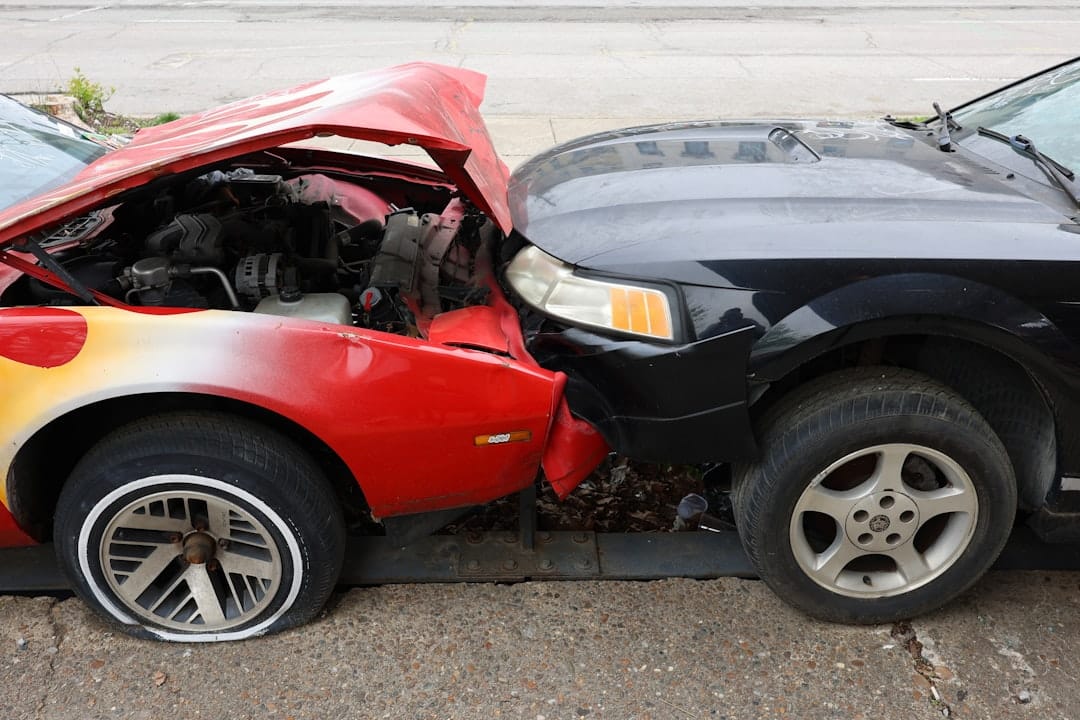
The moments after a car accident are stressful and confusing—but what you do next can protect your health, your rights, and your ability to recover compensation. Use this step-by-step checklist to know exactly what to do after a car accident in Florida, from the scene to the insurance claim.
1. Stop and Stay at the Scene
Never leave the scene of an accident in Florida, even a minor one. Leaving can turn a fender-bender into a criminal hit-and-run charge. Pull over safely, turn on your hazard lights, and stay put until it is appropriate to leave.
2. Check for Injuries and Call 911
Check yourself and others for injuries. Call 911 for any injury, and request police to the scene. In Florida, you are required to report a crash that involves injury, death, or apparent property damage of at least $500—which covers almost every accident. A police report is also valuable evidence for your claim.
3. Move to Safety
If the vehicles are drivable and it is safe, move them out of traffic to avoid a second collision. If not, leave them in place, get yourself to a safe spot, and wait for help.
4. Document Everything
Your phone is one of your best tools. At the scene, gather:
- Photos of all vehicles, damage, license plates, the road, and any injuries
- The other driver’s name, phone number, insurance company, and policy number
- Names and numbers of any witnesses
- The responding officer’s name and the crash report number
5. Be Careful What You Say
Exchange information, but do not apologize or admit fault—even a casual “I’m sorry” can be used against you later. Stick to the facts when speaking with police, and let the investigation determine fault.
6. See a Doctor Within 14 Days
This step is critical in Florida. Under Florida’s no-fault (PIP) law, you must seek medical treatment within 14 days of the accident to be eligible for Personal Injury Protection benefits. Even if you feel fine, some injuries—like whiplash or concussions—show up days later. Getting checked protects both your health and your claim.
7. Notify Your Insurance Company
Report the accident to your own insurer promptly, as most policies require. Give them the basic facts, but you are not required to give a recorded statement to the other driver’s insurance company—and you should speak with an attorney before doing so.
8. Keep Records and Talk to a Lawyer
Save every bill, receipt, and record related to the accident—medical treatment, vehicle repairs, missed work, and out-of-pocket costs. Before you accept any settlement offer, talk to a lawyer. Insurance companies often offer far less than a claim is worth, and once you accept, you cannot ask for more. Our Miami car accident attorneys review your case for free and only get paid if you win.
Injured in a crash? Call Alfredo J. Rubio Law, PLLC at 1-844-PODEMOS for a free consultation—in English or Spanish. Learn more about how we handle personal injury cases across Miami-Dade and Broward.
Frequently Asked Questions
What should I do immediately after a car accident in Florida?
Stop and stay at the scene, check for injuries and call 911, move to safety, and document everything with photos and information. Avoid admitting fault, then see a doctor within 14 days and contact your insurance company.
How long do I have to see a doctor after a car accident in Florida?
You must seek medical care within 14 days of the accident to qualify for Personal Injury Protection (PIP) benefits under Florida’s no-fault law. Waiting longer can jeopardize your ability to recover those benefits.
Do I have to call the police after a minor accident in Florida?
Florida law requires reporting any crash involving injury, death, or apparent property damage of at least $500. Because most accidents exceed that threshold, it is almost always best to call the police and get an official crash report.
Should I accept the insurance company’s first offer?
Usually not. First offers are often far below what your claim is worth, and accepting typically waives your right to seek more. Have an attorney review any offer before you sign.

