


Florida’s Comparative Negligence Law: How the 51% Rule Affects Your Injury Claim

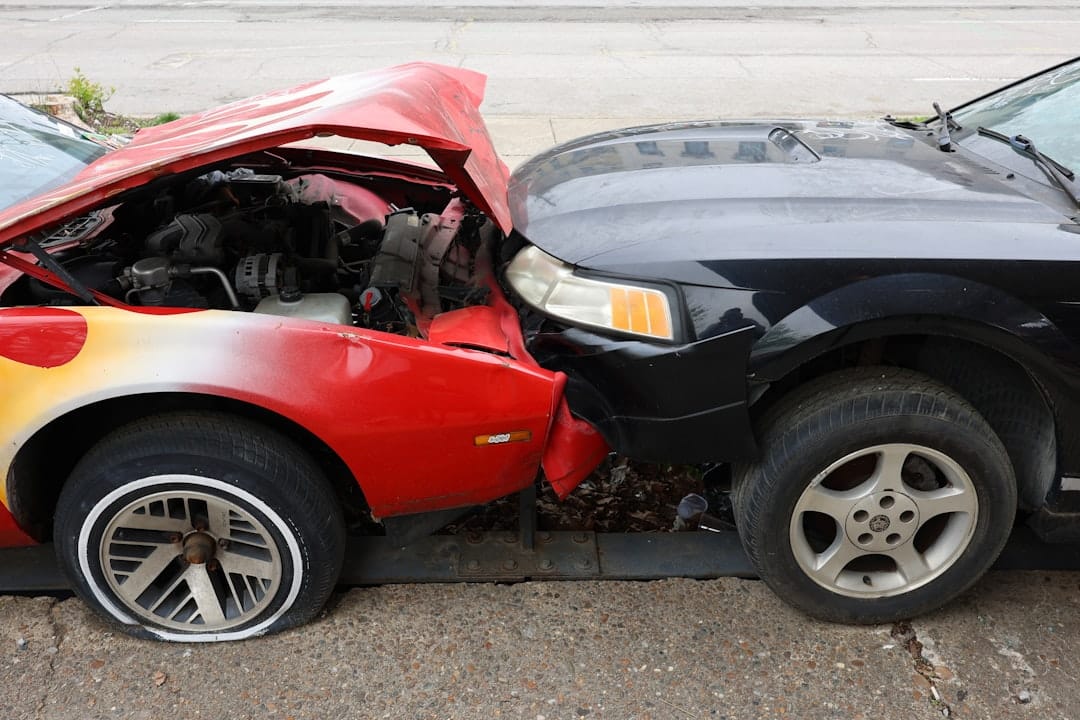
After a Florida accident, one of the first things an insurance company will try to do is shift some of the blame onto you. That matters more than ever, because a 2023 change to Florida law means your share of the fault can now reduce — or even completely eliminate — the money you’re able to recover. Here’s what the state’s comparative negligence rule means for your injury claim.
What is comparative negligence?
Comparative negligence is the legal principle that more than one person can share responsibility for an accident. Instead of an all-or-nothing outcome, fault is divided into percentages, and each party is held accountable for their share. If you are partly responsible for your own injuries, your compensation is reduced in proportion to your percentage of fault.
Florida’s 2023 shift: from “pure” to “modified”
Before March 2023, Florida followed a pure comparative negligence system. Under that rule, you could recover damages even if you were 90% at fault — your award was simply reduced by your share. That changed with a sweeping tort-reform law. Florida now uses a modified comparative negligence system with a 51% bar for most negligence-based injury claims: if you are found to be more than 50% responsible for your own injuries, you recover nothing at all. If you are 50% or less at fault, you can still recover, but your award is reduced by your percentage of fault.
How the reduction works: an example
Say a jury decides your total damages are $100,000 and that you were 20% at fault. You would recover $80,000 — your damages reduced by your 20% share. But if that same jury decided you were 55% at fault, you would recover $0, because you crossed the 50% threshold. This is why the difference of a few percentage points can be worth tens of thousands of dollars.
Why insurers fight so hard over fault
Under the new rule, an insurance company has a powerful incentive to argue you were mostly to blame. If they can push your share of fault above 50%, they owe you nothing. Even if they can’t, every percentage point they pin on you lowers what they pay. That’s why what you say at the scene, the evidence you preserve, and how your claim is presented all carry real financial weight.
Protecting your claim
- Avoid apologizing or admitting fault at the scene — even a polite “I’m sorry” can be used against you.
- Document everything: photos, witness names, the police report, and your medical treatment.
- Be careful with recorded statements to the other driver’s insurer.
- Talk to a lawyer early, so fault is framed accurately from the start rather than defined by the insurance company.
Fault is rarely as clear-cut as an insurer claims. An experienced attorney can gather the evidence needed to keep your share of the blame where it belongs. For related reading, see our guide on Florida’s no-fault (PIP) insurance and the deadline to file a Florida injury claim.
Frequently asked questions
Can I still sue if the accident was partly my fault?
Yes. For most negligence-based injury claims in Florida, you can still recover as long as you are found to be 50% or less at fault. Your compensation is reduced by your percentage of responsibility.
What happens if I’m found 51% at fault?
Under Florida’s modified comparative negligence rule, a person found more than 50% at fault for their own injuries generally cannot recover any damages.
Does this rule apply to car accidents and slip-and-falls?
Yes. The 51% bar applies to most negligence-based claims, including car accidents, truck and motorcycle crashes, and slip-and-fall cases. Because these rules can be nuanced, it’s best to have an attorney review the specifics of your situation.
This article is general information about Florida law, not legal advice. Every case is different. Alfredo J. Rubio Law, PLLC offers free, bilingual consultations — contact us to discuss your case.

