

Estate Planning for Miami Lakes Homeowners: Protecting Your Biggest Asset

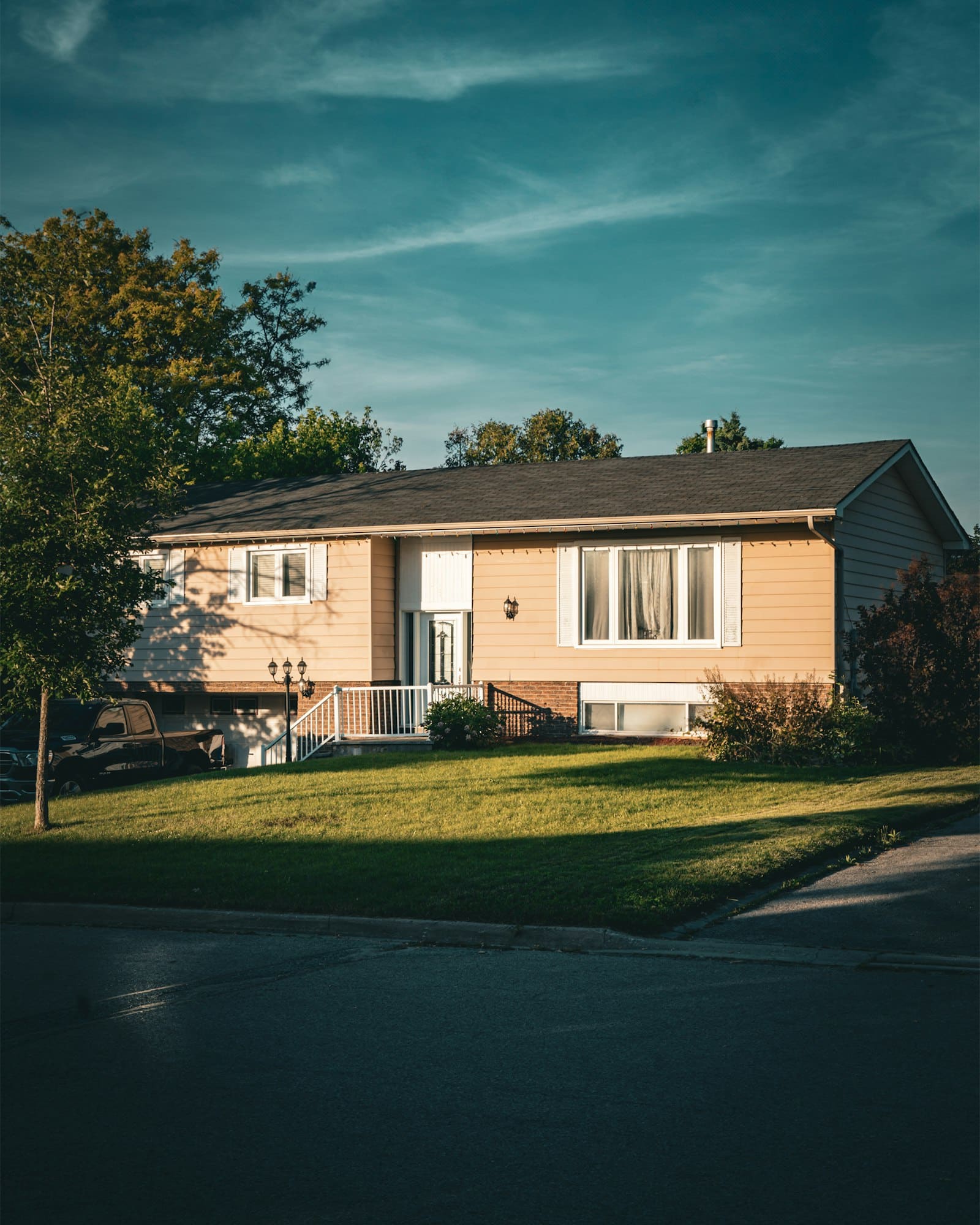
For most Miami Lakes families, the house is the largest thing they own. Yet it’s often the piece people forget to plan for — and in Florida, how your home passes to your family depends on choices you make now, not later.
Your homestead gets special protection
Florida’s homestead protections are some of the strongest in the country — shielding your home from most creditors and limiting how you can leave it if you have a spouse or minor children. That protection is powerful, but it also creates rules you have to plan around. Our Florida homestead estate plan guide explains how it fits into your overall plan.
Avoiding probate on the house
If your home is titled only in your name when you pass, it usually has to go through probate before your family can sell or refinance it — months of delay and cost. A properly funded revocable living trust, or in some cases a lady bird (enhanced life estate) deed, can let the home pass directly to your heirs.
Don’t rely on joint ownership alone
Many couples assume “we own it together, so it’s fine.” Joint ownership helps when the first spouse dies, but it doesn’t solve what happens when the second one does — and it can create problems if a co-owner is sued or divorces. A real plan looks past the first death.
Put it in writing
A Miami Lakes estate planning attorney can review how your home is titled and build a plan that keeps it in the family with the least cost and delay.
Frequently asked questions
Does my house have to go through probate in Florida?
It depends on how it’s titled. A home in your name alone usually goes through probate, but a living trust or a properly drafted deed can let it pass directly to your heirs.
Can I leave my homestead to anyone I want?
Not always. If you have a spouse or minor children, Florida’s homestead rules limit how you can leave the home. A lawyer can tell you what your options are.
Is joint ownership enough to protect my home?
Not by itself. Joint ownership helps at the first death but doesn’t plan for the second, and can create risks if a co-owner is sued or divorces.
This article is general information about Florida law, not legal advice. Every situation is different. Alfredo J. Rubio Law, PLLC offers free, bilingual consultations. Contact us to protect your home.

