
Crashes on I-75 and Pines Boulevard: What Pembroke Pines Drivers Should Know

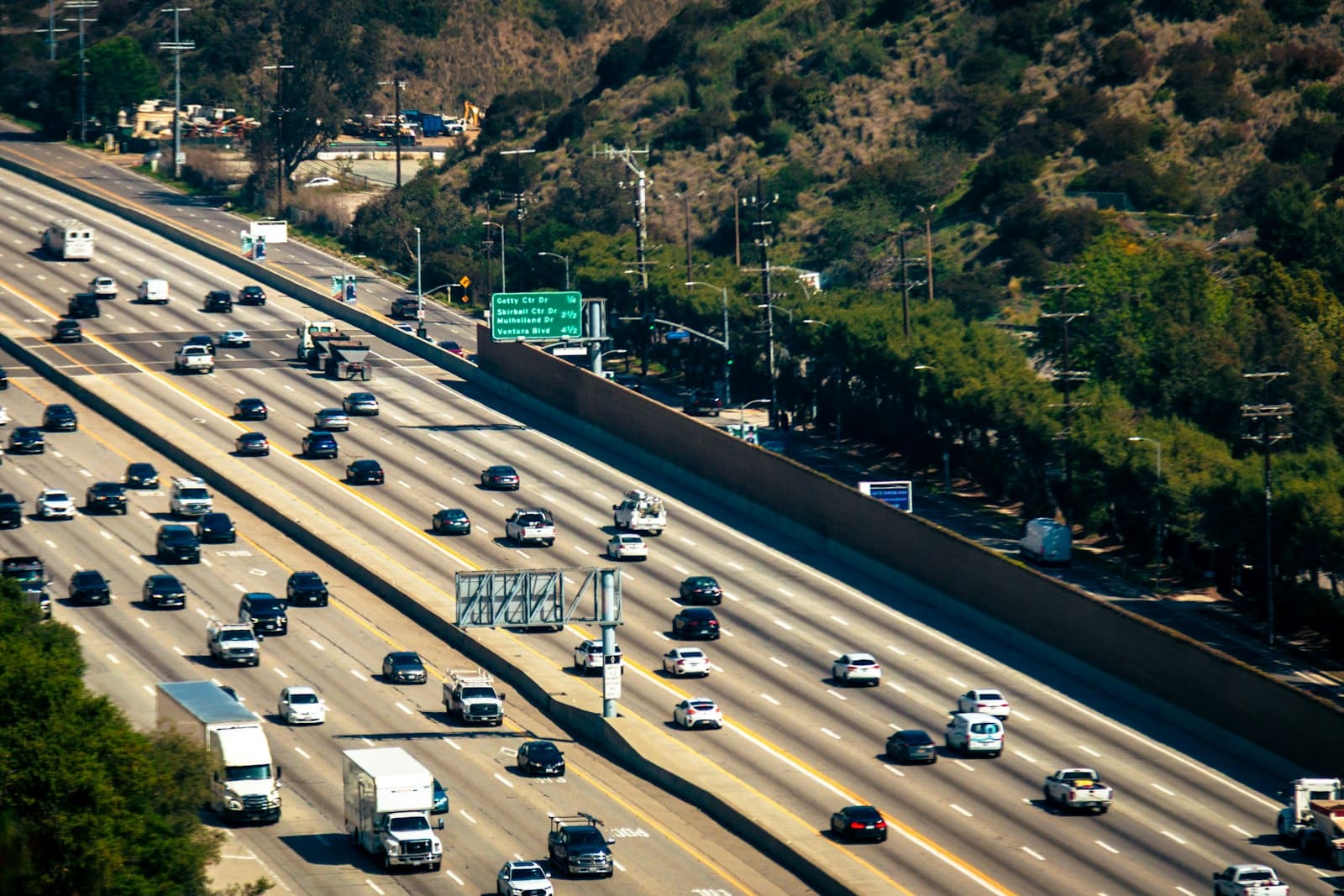
Two of the busiest — and most dangerous — roads in southwest Broward run right through Pembroke Pines: Interstate 75 and Pines Boulevard. High speeds on I-75 and the Sawgrass, plus constant stop-and-go and left turns on Pines Boulevard, add up to serious crashes. Knowing how these wrecks differ helps you protect a claim.
I-75: high speed, high stakes
On the interstate, speeds mean severe injuries and chain-reaction pileups. Lane changes, tailgating, and trucks are common factors. If your car is drivable, move to the shoulder; if not, stay buckled and call 911. Never stand in a live lane. The crash report and any dashcam or traffic-camera footage can be decisive, and footage is often overwritten within days.
Pines Boulevard: intersections and turns
On Pines Boulevard the danger is intersections — left-turn collisions, red-light runners, and rear-enders at lights. Fault often turns on who had the right of way and the signal timing, so witness names and photos of the vehicles’ final positions matter a great deal.
The steps are the same
Wherever the crash happens: call 911, document everything, get a doctor within 14 days for your PIP benefits, and be cautious with the other insurer. For the full playbook, see our guide to your rights after a Pembroke Pines crash.
Truck crashes are different
I-75 carries heavy commercial truck traffic. A truck wreck can involve the driver, the trucking company, and more — and the evidence (logs, telematics) disappears fast. If a commercial vehicle was involved, get legal help quickly to preserve it.
Frequently asked questions
Is an I-75 crash handled differently than a city-street crash?
The law is the same, but interstate crashes tend to cause more severe injuries and involve trucks and higher-speed impacts, which can raise the value and complexity of a claim.
Who is at fault in a left-turn crash on Pines Boulevard?
Usually the turning driver must yield, but signal timing and right-of-way determine fault. Witnesses and photos of the scene are key evidence.
What should I preserve after a highway crash?
The crash report, photos, witness contacts, your medical records, and any dashcam video. If a truck was involved, an attorney can move to preserve its logs before they’re lost.
This article is general information about Florida law, not legal advice. Every case is different. Alfredo J. Rubio Law, PLLC offers free, bilingual consultations — no fee unless we win. Contact us about your crash.

