


Wills vs. Living Trusts in Florida: Which One Do You Actually Need?

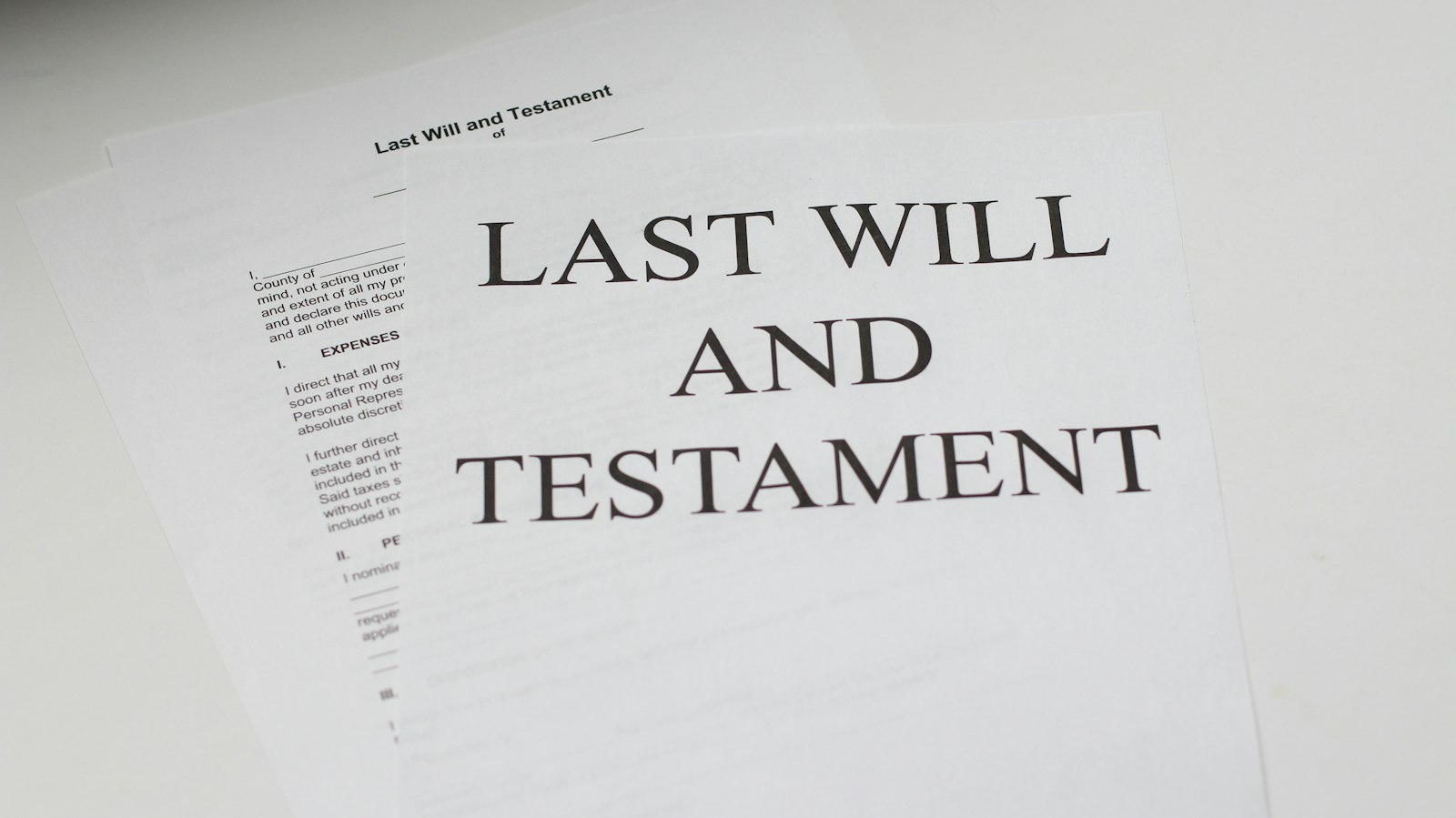
“Do I need a will or a trust?” is the question we hear most. They are not the same tool, and for many Florida families the best answer is both. Here’s a plain-language comparison to help you understand the difference.
What a will does
A last will and testament directs who receives your property and names a personal representative to carry out your wishes. If you have minor children, it’s also where you nominate their guardian. But a will only takes effect at death, and it must go through probate — the court process that validates it and transfers assets.
What a living trust adds
A revocable living trust holds your assets during your life and passes them to your beneficiaries at death without probate. Three big advantages: it stays private (probate is public), it avoids the delay and cost of probate, and it manages your assets if you become incapacitated — something a will cannot do.
Why many people need both
Even with a trust, you still want a “pour-over” will as a safety net — it catches any asset you forgot to put in the trust and directs it there. And a trust only works if it’s funded: your home, accounts, and other assets must actually be retitled into it. An unfunded trust is just paper.
Which is right for you?
A simple estate may be well served by a solid will plus beneficiary designations. Homeowners, parents of young children, blended families, business owners, and anyone who values privacy or has out-of-state property often benefit from a trust. For more, see our guide to revocable vs. irrevocable trusts and whether a will avoids probate.
Frequently asked questions
Does a will avoid probate in Florida?
No. A will must go through probate to take effect. If avoiding probate is a goal, a funded revocable living trust is the more direct tool.
Is a living trust only for wealthy people?
No. Middle-class homeowners and parents often benefit most, because a trust avoids probate delay and manages assets during incapacity.
If I have a trust, do I still need a will?
Yes — a “pour-over” will acts as a backstop for anything left out of the trust and is where you name guardians for minor children.
This article is general information about Florida law, not legal advice. Every family is different. Alfredo J. Rubio Law, PLLC offers free, bilingual consultations. Contact us to build the right plan.

