


Florida Homestead and Your Estate Plan: What Every Homeowner Should Know

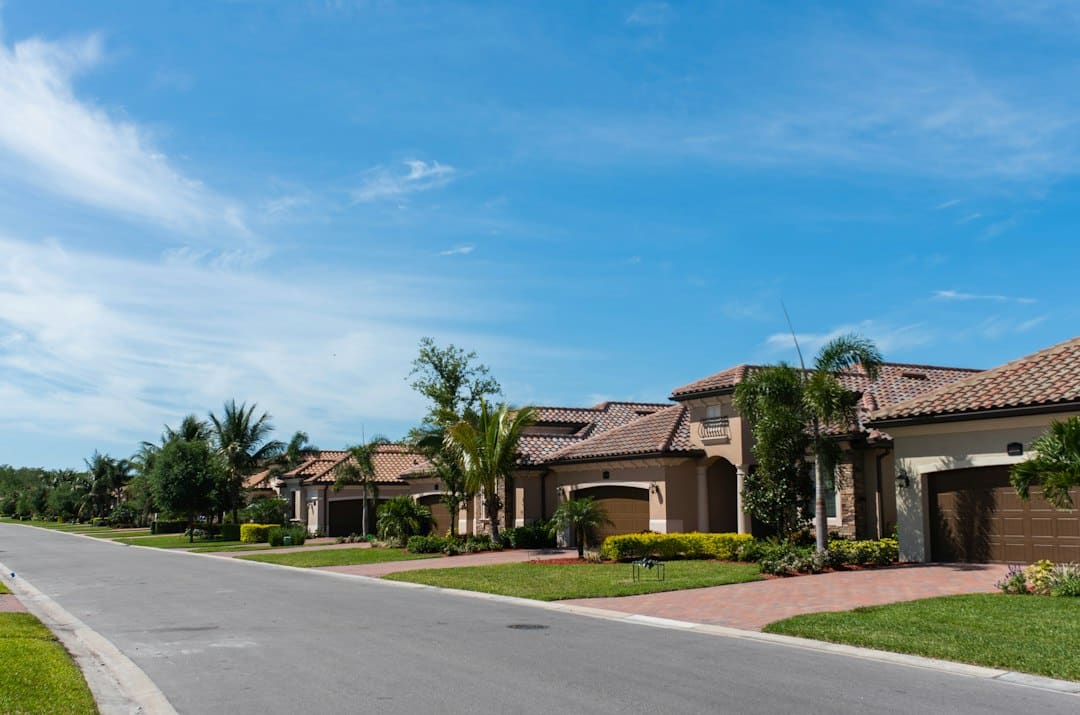
For most Florida families, the home is their biggest asset — and Florida gives it special legal treatment called “homestead.” Those protections are powerful, but they also include rules that can quietly override what your will says. If you own a home, here’s what you need to understand.
Three kinds of homestead protection
Florida homestead actually covers three different things: creditor protection (your primary home is largely shielded from creditors), property-tax benefits (the homestead exemption and the Save Our Homes assessment cap), and restrictions on who you can leave it to. That third one surprises people the most.
The catch: you can’t always leave your home to whomever you want
If you’re survived by a spouse or a minor child, Florida law restricts how you can give away your homestead. For example, a surviving spouse is generally entitled to a life estate in the home (or can elect a one-half interest), regardless of what your will says. Trying to leave the home to the “wrong” person can result in an invalid devise and an outcome you never intended.
How homestead interacts with your plan
Because of these rules, homestead has to be planned carefully. Tools like a Lady Bird deed (an enhanced life-estate deed) can pass your home to heirs while avoiding probate and preserving your tax benefits — but only when it fits your family situation. A living trust may or may not be appropriate depending on the circumstances. See our overviews of what avoids probate and our estate planning services.
Get advice before you act
Homestead is one of the most technical areas of Florida estate law. A generic online form won’t account for the devise restrictions, and mistakes here can create expensive problems for your family. This is an area where personalized advice really pays off.
Frequently asked questions
Can I leave my Florida home to anyone I want in my will?
Not always. If you have a surviving spouse or minor child, Florida homestead rules restrict how you can devise the home — and those rules can override your will.
Does homestead protect my home from creditors?
Generally yes — Florida’s homestead creditor protection is very strong for your primary residence, subject to size limits and certain exceptions like mortgages and taxes.
How can I pass my home without probate?
Tools like a Lady Bird deed or a properly structured trust may work, but the right choice depends on your family and the homestead rules. An attorney can tailor it to your situation.
This article is general information about Florida law, not legal advice. Every situation is different. Alfredo J. Rubio Law, PLLC offers free, bilingual estate-planning consultations — contact us to plan around your homestead.

